The Complete Guide to Ergonomic Office Chairs

Buying furniture is a big and careful purchase. It’s not something we like to keep changing every few months. We all want furniture that looks good, feels good, and lasts for years. And that’s exactly where the confusion starts: solid wood or engineered wood? This is where almost everyone gets stuck at some point or another. You go to a showroom with a clear idea of what you want, and then there are just too many options and too much information.
In this blog, we will keep things simple: what is solid wood, what is engineered wood, how do both compare in terms of performance, which one is better in humid climates, which one fits your budget, and where to use which type of wood in your home. By the time you finish reading this, you will know exactly what to choose and why. Whether you are looking at a Furniture Shop in Kochi or browsing through Modern wooden furniture, this guide will help you make the right decision with confidence and not confusion.
At Prime Decor, this is one of the most frequently asked questions. And the answer is, both are good. It all depends on what your purpose really is with it.
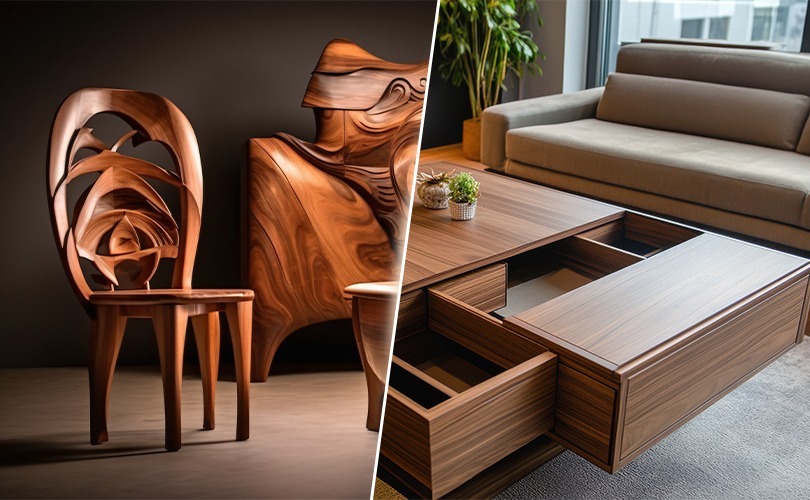
Solid wood is exactly what it sounds like; real wood cut directly from trees and shaped into furniture. No mixing, no layering, no compressing. Just natural timber.
Common options include teak, sheesham, oak, mango wood, and walnut.
And solid wood has a presence. You can see it, feel it. The natural grains, the texture, those tiny variations, nothing looks artificial. Every piece is slightly different, and that’s part of its charm.
People choose solid wood because:
1. It is very strong
2. It lasts for decades
3. It handles heavy use easily
4. It can be repaired and polished many times
5. It ages beautifully over time
If you want furniture that stays with you long-term, solid wood is usually a safe bet.
Engineered wood is produced by pressing wood fibers, particles, or thin slices of wood together using heat and adhesives. This is how plywood, MDF, HDF, particle board, and blockboard are produced.
You will notice engineered wood all around you now, especially in modern homes and modular furniture.
Why people like it:
• More economical
• Lightweight and portable
• Smooth finish
• Perfect for modern designs
• Modular-friendly
It can be really stylish and functional. But of course, it doesn’t usually last as long as solid wood and it’s not that easy to repair.
Types of Engineered Wood
Each type has its own uses.
Plywood: More stable and water-resistant. Suitable for making cupboards, wardrobes, and beds.
MDF: Smooth surface finish. Ideal for painting and lamination. Primarily for indoor use.
HDF: Stronger than MDF. Used when additional strength is required.
Particle board: A low-cost alternative for making light-use furniture.
Block board: Medium strength, lighter, and commonly used for making doors and shelves.
The best quality plywood is the most dependable choice for engineered wood.
Types of Solid Wood Commonly Used
Each type of wood has its own characteristics.
Teak – Best quality, water-resistant, highly durable.
Sheesham – Strong, termite-proof, beautiful grain.
Oak – Heavy, sturdy, traditional look.
Mango wood – Environment-friendly and fashionable.
Walnut – Rich in color, best finish.
Some people buy wood just for its strength and some just for its looks. Both are perfectly fine.
Durability — Which One Holds Up Better?
If we’re being completely practical here, solid wood is stronger.
It can better handle weight, shock, and heavy use. Even if it gets scratched, you can easily fix it.
Engineered wood is good for everyday use, but heavy pressure, water, or heavy use over the years can make it weaker, especially lower-quality wood.
For heavy-use furniture such as beds and dining tables, solid wood is generally better.
Budget — the Deciding Factor for Many
Solid wood costs more. That’s the reality. But it lasts longer; so many people see it as an investment.
Engineered wood is affordable and practical, especially if you want stylish furniture without spending too much.
Both make sense… depending on your situation.
Appearance and Style
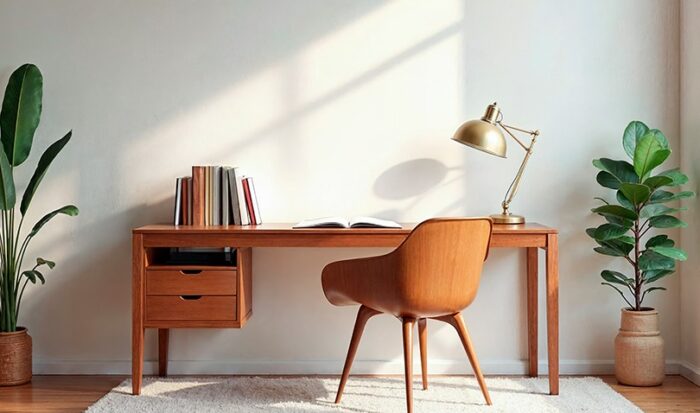
Solid wood feels warm, natural, and timeless.
Engineered wood feels sleek, smooth, and modern.
If you like clean, contemporary interiors, engineered finishes work beautifully. If you prefer richness and depth, solid wood is hard to beat.
Climate and Humidity
Weather matters, especially in Kochi where humidity is high.
Teak and some hardwoods handle moisture better naturally. Engineered wood performance depends on quality. Moisture-resistant plywood works fine, but low-grade boards can swell or warp.
Always choose based on local climate. Many people overlook this and regret it later.
Maintenance and Repair
Solid wood is easier to restore. You can sand, polish, refinish, even after many years.
Engineered wood needs careful handling. Once chipped or peeled, repair is not always simple.
So, What Should You Choose?
Choose solid wood if you want:
Long-lasting furniture
Heavy-duty strength
Natural grain and character
Repairable pieces
Choose engineered wood if you want:
Budget-friendly furniture
Modern modular designs
Lightweight pieces
Flexible layouts
Many homes use both and that’s the smartest approach.
Final Thoughts
There is no one-size-fits-all winner in this scenario.
Solid wood provides strength and classic beauty. Engineered wood provides affordability and modern functionality. The best option is truly dependent on your lifestyle and what you are looking for in your furniture.
If you are looking at Modern wooden furniture Kochi options, you will see that both options actually work incredibly well in different homes, as some people prefer the classic look of solid wood, while others prefer the modern look of engineered wood. It all depends on what works best for you.
Furniture is a matter of personal preference. Pick what works best for you, especially if you are furnishing your home.
Frequently Asked Questions (FAQ)
1. Is engineered wood good for furniture?
Yes, for light to moderate daily use. It’s affordable, stylish, and works well for modular furniture. But for heavy-duty or long-term use, solid wood is usually better.
2. Which lasts longer solid wood or hookup engineered wood?
Solid wood lasts much longer. With proper care, it can last decades. Engineered wood lifespan depends on quality, but usually shorter.
3. Can engineered wood handle humidity?
Good-quality moisture-resistant plywood can. Low-grade MDF or particle board may swell or warp if exposed to water.
4. Is solid wood worth the higher price?
If you want durability, strength, and long-term value.yes. It’s an investment that pays off over time.
5. Which furniture items should ideally be solid wood?
Beds, dining tables, and heavy-use furniture are best in solid wood.
6. Which furniture items are fine in engineered wood?
TV units, wardrobes, shelves, study tables, and decorative furniture work well in engineered wood.